
After a long winter of fires and chilly nights, spring is a great time to give some attention to the parts of your home that worked overtime. Your chimney is one of those spots. It stayed busy keeping smoke out and warmth in, but now that the days are getting longer and the need for heat is less, it’s smart to get it checked out. A chimney sweep inspection helps you spot leftovers from the colder months and make sure nothing was damaged along the way. Small problems that go unnoticed now can turn into big headaches once the rainy season hits. If you’re wondering what happens during a spring visit, or why it matters, this is a good time to learn what’s included and why it sets you up for a safer year ahead.
Why Spring Is the Right Time for a Chimney Check
Once winter winds down in places like Wilmington, North Carolina, the weather starts making it easier to check structures around the house without the cold getting in the way. Your chimney likely went through a lot, rain, wind, and heat changes can all leave marks.
- Ash and creosote can build up inside the flue, even if you only burned a few fires
- Moisture might have snuck in through any small cracks or openings during storms
- Bricks and mortar can shift when warmed and cooled too often, which wears them down
By doing a chimney check in spring, we can catch all that early, before summer storms and the next round of cold weather have a chance to make it worse. It’s easier to plan any fixes now while the chimney is dry and the weather cooperates. Waiting until fall could mean longer delays and less time to repair things before it’s time to light another fire.
At Triple Crown Chimney Solutions, our seasonal inspections address all parts of the chimney system, and we handle both routine sweeps and repairs as needed.
What Happens During a Chimney Sweep Inspection
During a chimney sweep inspection, we take a close look at every part of the system, top to bottom. Spring is a good time because the chimney is no longer in heavy use and anything left behind from winter is still easy to spot.
- First, we check the flue for creosote, soot, or debris, which can slow air movement or raise fire risks
- We look for any cracks or gaps in the lining that might let heat or smoke escape into walls
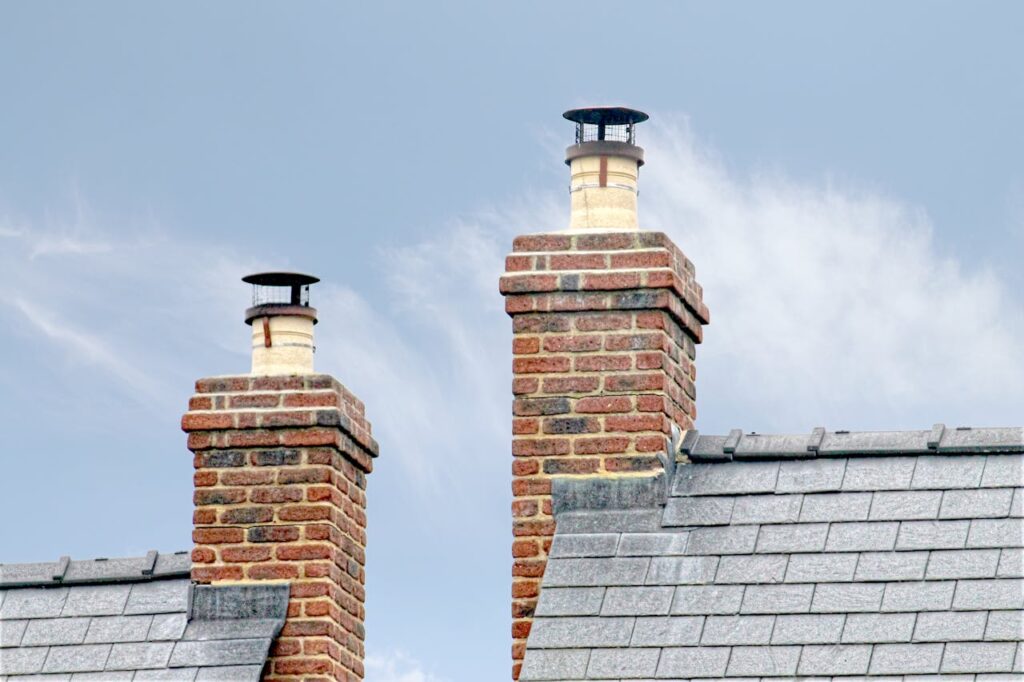
- The chimney crown, cap, and flashing are inspected to make sure animals, rain, or leaves aren’t getting in
We also check the firebox and damper inside. If parts are loose, rusted, or stuck, they might keep smoke from venting properly or let cold air drop into your home. Spring is a good time to watch how air moves when everything is still fresh in your mind from winter use. A lot of homeowners think these are small checks, but every part matters when keeping your fireplace clean and safe.
Common Winter Wear and What It Can Mean
Even a chimney that looks fine from the ground can have problems hiding in places that aren’t easy to see. Winter can be tough on materials, especially when days bounce between cold and damp.
- We often find rust starting on metal parts like the damper or flashing
- White stains or dark marks on bricks may show water has been seeping in
- Cracked mortar or loose bricks can point to freeze-thaw damage caused by water expanding in small gaps
Sometimes nests, dead leaves, and debris build up without anyone noticing. These block flue openings and make it harder for smoke and heat to escape during the next fire. If creosote wasn’t fully cleaned after the last burn, it can harden over time and start to flake or cause odors. None of these issues are huge on their own, but they can stack up and make your system less safe as the seasons roll on.
Full inspections from our team at Triple Crown Chimney Solutions include identifying all types of winter-related damage and offering immediate solutions, so your chimney is protected year-round.
What the Inspector Sees That You Might Not
It might be tempting to glance at your chimney and assume things are fine. But a chimney sweep inspection uses tools that go beyond what the eye can see.
- Long flashlights and mirrors help check deep into dark areas most people can’t reach
- Special brushes help test how clear the flue is, even around bends
- Inspectors know where to look for signs of wear that are easy to miss from below
Some problems, like hairline cracks or buildup hiding behind the damper, won’t have any warning signs until they’ve gotten worse. That’s where a second set of trained eyes, ones that can read those early signals, makes a real difference. Having someone experienced go through each section with care can turn up small flaws early and often means fewer surprises later on.
Ready for Rain and Next Winter Too
Spring in Wilmington can bring breezy, wet days, and your chimney will be sitting out in it all. A clean, checked, and sealed chimney now does a better job keeping water, wind, and pests out during warmer months.
- Chimney inspections help spot leaks before they create stains or damage inside your home
- Creosote that’s left behind can absorb moisture and turn into sticky, smelly problems
- If something needs to be patched up, spring gives plenty of time before weather or cold becomes a barrier
Once it’s checked and cleaned, your chimney enters the summer in much better shape. By the time fall comes around again, you’ll already know it’s ready to go. That peace of mind, knowing one more thing is off the to-do list, helps you enjoy the months ahead without worrying about damage lurking above the ceiling.
Ensure your chimney is ready for whatever Wilmington’s weather has in store. A thorough chimney sweep inspection from Triple Crown Chimney Solutions will clear out winter’s remnants and spot any damage early, keeping your fireplace clean and safe. Don’t wait until problems grow—schedule your spring inspection today and enjoy peace of mind knowing your chimney is in peak condition all year round.