
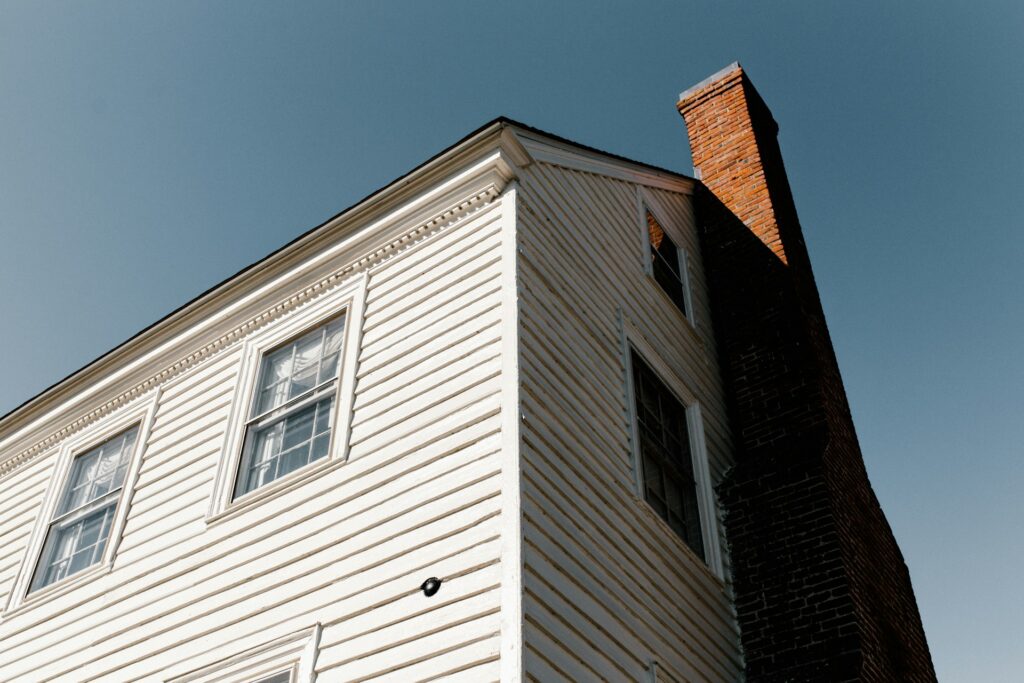
Stop Water Damage Before It Destroys Your Chimney
Water is one of the quickest ways to ruin a chimney. When rain gets into the brick and mortar, it slowly eats away at the structure, causes ugly stains inside the house, and can even affect how safely your fireplace works. That is why chimney waterproofing in New Castle, DE is so important for any home with a fireplace or stove.
Early summer is a smart time to take care of it. The weather is usually warm and dry enough to work on masonry, and there is still time before strong summer storms and leftover hurricane systems move up the coast. When we catch problems now, we can often stop small leaks from turning into big headaches once heavy rain and wind show up.
Many homeowners try to save time or money by doing quick DIY waterproofing or buying the first product they see at the hardware store. We see the results of that every season. Shortcuts often trap water inside the chimney instead of keeping it out, which makes damage worse and repairs more involved later. As a licensed and insured chimney contractor serving New Castle County and the nearby areas, we have seen the same common mistakes again and again, and we want to help you avoid them.
Ignoring Early Warning Signs of Water Intrusion
Water problems usually start small. The early signs can be easy to miss, or easy to brush off as “no big deal,” especially when the fireplace is not in use during warmer months.
Common early clues include:
- A musty or damp smell from the fireplace after it rains
- Light brown or yellow stains on ceilings or walls near the chimney
- Flaking or powdery white deposits on bricks, called efflorescence
- Dark, wet-looking areas on the exterior brick after a storm
These hints mean moisture is already moving through your chimney system. On top of that, small cracks in the chimney crown, gaps in mortar joints, or bricks that are chipping and flaking on the surface are all signs that the masonry is soaking up water and starting to break apart.
In New Castle, DE, we deal with weather that swings from cold to warm and back again. When water gets into tiny cracks and then freezes, it expands and pushes those cracks wider. This freeze-thaw cycle repeats many times, turning hairline cracks into loose bricks and crumbling mortar. Even if damage is minor now, a season or two of this can turn it into a real safety concern.
A professional chimney inspection during summer is one of the best ways to catch these issues early. With a trained eye on the roof and at the fireplace, we can find where water is getting in, explain what is happening, and suggest repairs before winter makes everything worse.
Using the Wrong Waterproofing Products
One of the biggest mistakes we see with chimney waterproofing in New Castle, DE is using the wrong products. It is common for homeowners to grab a can of generic sealant, paint, or waterproofer meant for patios or foundations and roll it onto the chimney.
This causes problems because:
- Many of these coatings are not vapor-permeable
- Non-breathable layers trap moisture already inside the brick
- Trapped moisture leads to cracking, spalling, and loose faces on bricks
- Some products are not made for the intense weather chimneys face above the roofline
A proper chimney waterproofing product is designed to keep liquid water out while still allowing water vapor to escape. Think of it like a raincoat that lets your skin breathe, instead of wrapping the chimney in plastic. When water inside the masonry cannot get out, it pushes outward, breaks down the brick, and can lead to pieces popping off the surface.
Chimneys also come in different materials: solid brick, stone, block, and prefabricated systems. Each responds differently to weather and needs the right type of treatment. A trained chimney professional knows which vapor-permeable products work for your specific chimney and how to apply them so they last.
Skipping Critical Chimney Components That Stop Leaks
Waterproofing is not just about spraying something on the outside of the bricks. Some of the most serious leaks we see are caused by damaged or missing parts at the top and base of the chimney that many people overlook.
Key pieces that protect your chimney from water include:
- Chimney cap
- Chimney crown
- Flashing where the chimney meets the roof
A missing or broken chimney cap is like leaving a window open in a storm. Rain, leaves, and even small animals can go straight down the flue. A cracked or poorly built crown, the concrete or mortar layer on top of the chimney, does not shed water like it should. Instead, it channels water into the chimney structure, soaking bricks from the top down.
Flashing is the metal that seals the gap where the chimney passes through the roof. When it pulls away, rusts, or is bent, water can slip into walls and ceilings. Many times we find old tar or caulk smeared around flashing as a quick “patch job.” Those fixes sometimes hold for a short time, but they often fail during New Castle’s heavy summer rains or when snow and ice start melting.
The best approach is a full water-defense plan. That means:
- Inspecting and repairing or replacing the chimney cap
- Checking the crown for cracks or poor design and fixing it properly
- Addressing damaged or loose flashing instead of coating it with tar
- Then applying the right waterproofing treatment to the masonry
Doing it in this order helps protect every part of the system, not just the bricks you can see from the ground.
Treating Waterproofing as a One-Time Fix
Another common misunderstanding is thinking that once a chimney is waterproofed, it is protected forever. Even the best professional products do not last endlessly, especially in our local weather.
Over time, UV rays from the sun, wide temperature swings, and wind-driven rain slowly break down coatings and sealants. New hairline cracks can form in mortar or crowns as the house settles and the chimney expands and contracts with the seasons. If no one checks on the chimney for years, those small changes can undo earlier work.
A more realistic plan includes:
- Regular chimney inspections to find new cracks or loose materials
- Cleaning and sweeping as needed so debris does not trap moisture
- Spot repairs for mortar joints, crowns, and flashing
- Reapplying professional waterproofing every few years as recommended by a chimney expert
By treating waterproofing as part of ongoing care, instead of a one-time project, you help your chimney last longer, work better, and stay safer. You also lower the chance of surprise leaks showing up inside your home after a big storm.
Protect Your New Castle Home with Pro Chimney Care
Small waterproofing mistakes can grow into major problems. Using the wrong products, brushing off early warning signs, ignoring caps, crowns, and flashing, or assuming one treatment will last forever can all lead to serious damage. That damage often shows up as crumbling brick, stained walls and ceilings, and moisture problems inside the home.
At Triple Crown Chimney Solutions, we work with homeowners across New Castle, Chester, and Delaware counties who want to stop water from ruining their chimneys. By focusing on careful inspections, the correct waterproofing materials, and complete repairs to all the parts that keep water out, we help keep local chimneys stronger and safer through every season.
Get Started With Your Project Today
Protect your home from costly water damage by letting Triple Crown Chimney Solutions inspect and seal your chimney before minor issues turn into major repairs. Our experienced team provides reliable chimney waterproofing in New Castle, DE tailored to your home’s specific needs. We take the time to explain our recommendations clearly so you can move forward with confidence. Reach out today to schedule your service and keep your chimney secure for years to come.