
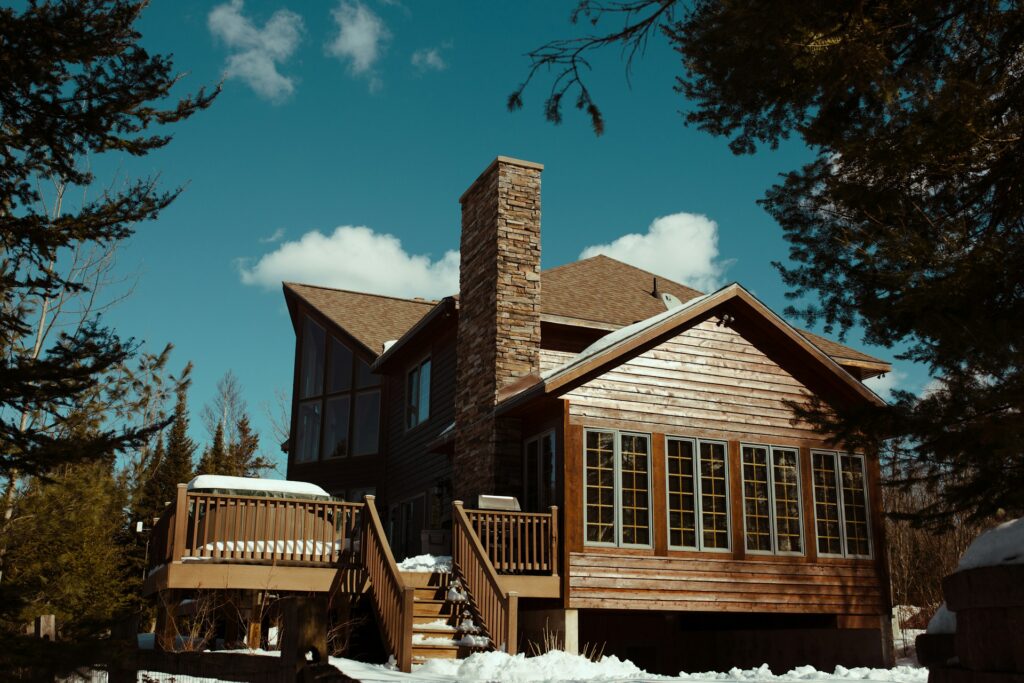
Taking care of your chimney’s masonry is like maintaining the walls of your home. It’s something you might not think about often, but it’s really important for a safe and cozy house. When the masonry of your chimney is damaged, it can lead to all kinds of problems, from drafts in your living room to unpleasant smoke smells. Keeping an eye on your chimney’s health is not just a good idea; it’s key to ensuring your fireplace continues to be a safe and warm centerpiece in your home.
Spotting and fixing damaged masonry might sound technical, but it’s really about being observant and understanding what to look for. When you start noticing signs of wear, it’s a signal to take action before small problems turn into big headaches. By getting familiar with how to spot issues and understanding the steps needed to address them, you can prevent more serious damage and maintain a chimney that’s ready to serve you well into the colder months.
Common Signs of Damaged Masonry
Recognizing the symptoms of chimney masonry issues is the first step in keeping your chimney in good health. Here are some signs to watch for:
- Cracks in the mortar or bricks: These cracks can appear anywhere and are often the first sign of trouble. They can allow water to seep into the structure, leading to further damage during freezing weather.
- White staining (efflorescence): This chalky white deposit on the outside of your chimney signals excessive moisture. It’s not just unsightly; it shows that water is entering your chimney, which can lead to more serious issues.
- Visible crumbling or flaking bricks: When bricks begin to crumble or flake, it indicates severe deterioration. This weakening of the bricks can reduce the structural integrity of your chimney.
- Loose or missing bricks: If bricks have become loose or, worse, are completely missing, it’s a clear indication of masonry problems that need immediate attention to prevent further structural damage.
These signs are like your chimney’s way of telling you something’s not right, much like a dashboard warning light in your car. Spotting these clues early and getting them fixed can save you a lot of trouble and expense further down the line. Regular checks, especially before the cold season hits, can help you catch these issues while they’re still manageable and ensure your chimney stays safe and efficient for all your fireside gatherings.
Causes of Masonry Damage
Understanding the reasons behind masonry damage can help you better protect your chimney. Wilmington, a place with its own unique weather patterns, certainly impacts the longevity of chimney masonry. Cold, wet winters are rough on chimneys because moisture seeps into those small cracks, and when the temperature drops, this water freezes and expands, enlarging those cracks. This repeated cycle can considerably weaken the structure over time.
Apart from the weather, simple age and use of your chimney contribute to wear and tear. Over the years, the constant exposure to heat from your fires can cause both the mortar and bricks to deteriorate. It’s similar to how fabrics might fray over years of washing. In some cases, construction flaws or past repairs that weren’t fully addressed can lay the groundwork for current issues.
Then there’s also the matter from your chimney fires. If you have more frequent or hotter fires, these could directly impact the resilience of your chimney’s structure. Chimney fires, even small ones, can cause significant stress on the masonry, leading to further damage and the need for careful attention to guard against future problems.
The Process of Repointing Chimneys
When you discover that your chimney needs a little TLC, repointing is often the next step. Repointing involves carefully removing and replacing the faulty mortar that’s nestled between the bricks. It’s not just a matter of slapping some new mortar onto the surface; it’s a detailed process that requires skill and precision. The mortar makes sure the bricks stay in place, so it plays a big part in the overall strength and safety of your chimney.
Here’s a rundown of what happens during repointing:
- Assessment: Professionals evaluate the extent of the damage to determine which areas need work.
- Removal: The damaged or loose mortar is gently chipped away, ensuring the bricks remain intact.
- Mixing Mortar: A new mixture that matches the original in color and consistency is prepared.
- Application: The new mortar gets applied to the joints, securing the bricks together once again.
- Finishing Touches: After the mortar sets, the area is cleaned up to leave a neat finish.
Choosing someone experienced for this job is essential. A good professional will not only have the right tools but also know how to blend new work seamlessly with the old, maintaining the charm of your original masonry.
Preventing Future Masonry Damage
Once your chimney is in tip-top shape, keeping it that way becomes the next priority. A little maintenance can go a long way in preventing future issues. Regular check-ups, especially before and after winter, help catch small problems early. This routine can include simple visual inspections from the ground or hiring experts to conduct a more thorough evaluation.
Waterproofing your chimney is another excellent preventive step. By applying a quality waterproof sealant, you can repel water before it infiltrates the structure, especially critical for areas like Wilmington with more rain and moisture.
Additionally, being mindful of the fires you burn plays a role, too. Consider using seasoned wood and avoid excessive use that might stress the masonry. With these simple steps and regular attention, your chimney will remain a strong, safe, and attractive part of your home. As you prepare for the colder months, these efforts ensure your fireplace is ready to keep you cozy without the worry of masonry troubles.
For a chimney that’s always ready and safe, don’t overlook the importance of repointing chimneys. Keeping your chimney structurally sound reduces the risk of costly repairs and ensures efficient performance. Learn more about how Triple Crown Chimney Solutions can provide the expertise you need to keep your fireplace in top condition through every season.