
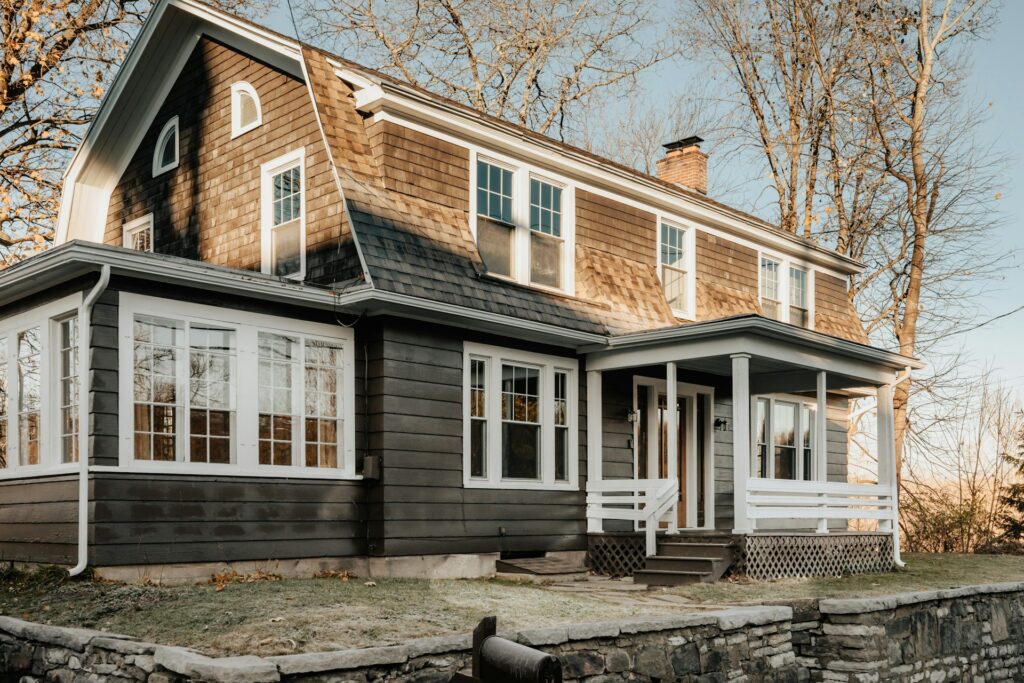
When winter rolls around in Wilmington, it’s not just your house that feels it. Your chimney feels the shift, too. Cold air, snow, and heavy rain can affect how your chimney works, sometimes in quiet ways you don’t notice right away. That’s why having a cold-season checkup makes so much sense.
We see all kinds of problems during winter inspections, some big, some small, but most are tied to colder temperatures and moisture. And while they might be easy to miss on your own, spotting them early can help you avoid bigger problems later. Let’s break down what we usually find this time of year and why it matters for your home and your peace of mind.
Cracks, Leaks, and Cold Weather Damage
The freeze and thaw cycle in winter plays rough on chimneys. What starts as a tiny crack in the masonry can grow quickly after a few cold nights. Once water gets into a gap, even a small one, it freezes, expands, and pushes the material apart even more.
• Small fractures in bricks or mortar often grow deeper or wider when it freezes overnight
• Water can find its way into the chimney walls, slowly damaging the inside over time
• Snow, sleet, and slush can make existing leaks worse, especially around flashing or storm collars
We keep an eye out for damage around the chimney crown and along the seams where the chimney meets the roof. These are common spots where cold-weather wear shows up first. When repairs aren’t made in time, water damage can reach deeper into the house.
We specialize in masonry repairs, which means any new cracks or cold weather damage found during an inspection can be addressed before moisture creates lasting issues.
Blockages and Build-Up Inside the Flue
During winter, most people use their fireplaces more often. More fires mean more soot, and with it, creosote. Creosote is a sticky black material that builds up inside the flue. Over time, too much of it creates blockage and airflow issues.
• Creosote builds faster in colder months when fires burn low and slow
• Animals like birds or squirrels can use your chimney for shelter and leave behind nests or scraps
• Ash and debris settle inside corners, narrowing the passage where smoke should escape
Poor airflow from a blocked flue doesn’t just hurt chimney performance. It can change the way smoke drifts. Instead of pulling up and out, smoke can drift into your home. That’s not just annoying, it’s uncomfortable and unsafe.
During professional inspections, our certified technicians check for signs of creosote build-up and debris, and can recommend safe sweepings to keep your chimney clear.
Moisture Problems Most People Miss
One issue that flies under the radar is hidden moisture. Once water makes it past the top of the chimney, through a missing cap or a damaged seal, it can collect in places you rarely see. Just because it’s out of view doesn’t mean it’s not doing damage.
• Water stains on the ceiling near the fireplace often point to leaks
• Rust along the damper or parts of the firebox means trouble reached metal surfaces
• If the chimney liner has absorbed water, odors might start showing up indoors
These aren’t the types of problems that go away with dry weather. In fact, if left through the winter, they often get worse. Ice inside a chimney system weakens the materials, making cracks more likely to stretch by spring.
Heat Loss and Draft Issues
Keeping heat in and smoke out sounds simple enough, but when something goes wrong with your chimney’s airflow, it doesn’t always work that way. One sign that something’s off is when your home starts to feel colder while the fire’s going.
• Cold air dropping down through the chimney often means your cap or damper isn’t sealing tight
• Gaps can let heat leak out, pushing energy bills higher
• Draft tests during checkups help show if the smoke is rising the way it should
Sometimes, it’s not easy to know what normal airflow feels like. That’s the kind of thing we notice during a checkup. The way air moves can tell us a lot about what’s going on inside that you wouldn’t spot just by using the fireplace.
Structural Changes Inside the Firebox and Flue
The inside of your chimney might hide some of the biggest winter changes. Fire after fire, extreme temperatures hit the firebox and flue, pushing the materials to their limit. When that cycle repeats without a checkup, small changes become lasting damage.
• Bricks may become soft or start cracking from repeated heat and cold
• Clay tiles inside the flue can chip or break as temperatures shift
• The chimney liner can shift slightly, creating gaps where heat gathers in the wrong places
We check the full system from bottom to top. Anything that looks loose, cracked, or misshapen gets flagged. It doesn’t always need fixing right away, but knowing the problem is there helps you keep things running right down the road.
Our inspections include a full-system review, covering everything from the cap and crown to the firebox, liner, and flashing.
How Regular Winter Checkups Protect Your Home
January in Wilmington isn’t the time you want to find out something’s wrong with your chimney. The cold makes everything harder to fix, and in some cases, puts your fireplace out of use when you need it the most. That’s why catching issues early matters.
When your chimney is checked in winter, you’re not just looking for trouble, you’re staying ahead of it. Regular cold-weather checkups are all about making sure everything works smoothly, so you get warmth, safety, and peace of mind during the chillier months.
Warmth and safety should be your top priorities during the cold winter months. If you’re facing any chimney issues or want to prevent future problems, trust the chimney experts at Triple Crown Chimney Solutions. Our team is dedicated to providing thorough inspections and repairs to keep your home comfortable and secure. Contact us today to schedule your winter checkup and enjoy peace of mind knowing your chimney is in expert hands.