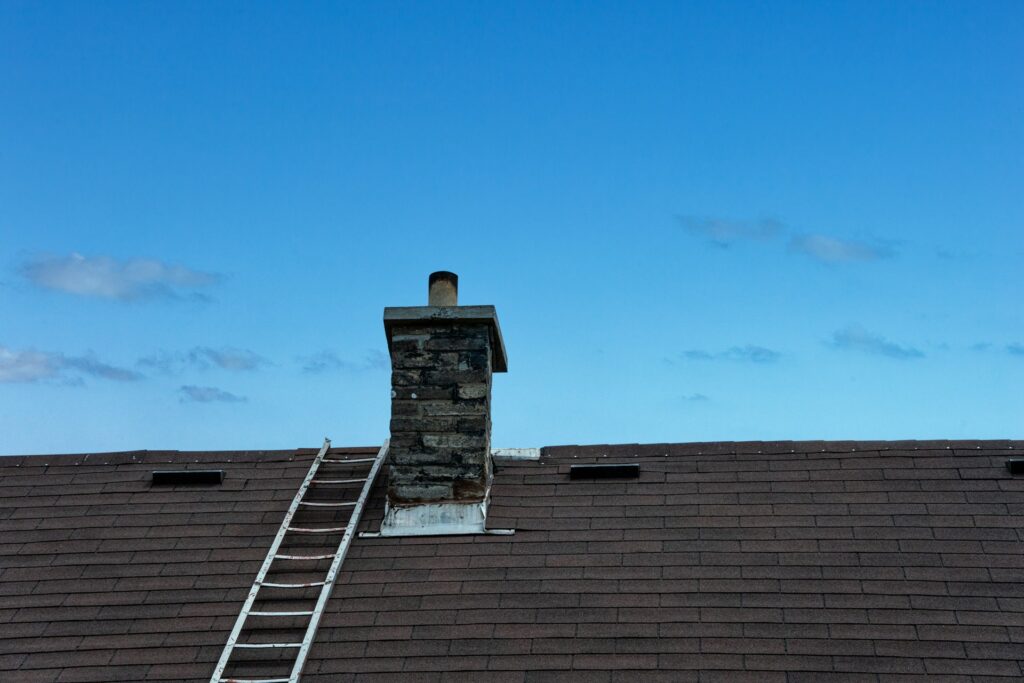
Chimneys put up with a lot over the years. A little smoke today, a chilly draft tomorrow, maybe some water finding its way in after a rainy week. Over time, all that wear can cause damage inside the chimney liner, the part that guides smoke and heat safely out of the house. When that happens, a regular cleaning isn’t enough. That’s when a chimney relining service steps in.
This type of repair gives your chimney a fresh inner layer. It helps fix problems like loose tiles, smoke leaks, or heat damage inside the flue. If you’ve noticed your fireplace not drawing like it used to, or if you’re told something’s wrong with the liner during an inspection, it’s helpful to know what the fix really looks like. Here’s a clear look at how chimney relining works from the first check to the final test.
Why Chimneys Sometimes Need a New Liner
A liner sits inside your chimney, quietly doing the job of moving smoke safely out. But over time, things can go wrong. Cracks, heat wear, and moisture damage can break down clay tiles or metal layers inside, even if you can’t see it happening.
• Small cracks might start letting heat hit places it shouldn’t, including nearby walls
• Debris or broken pieces can block the flue, changing how smoke flows
• Moisture can wear down the liner until parts of it flake off or stop working altogether
These problems can make fires harder to start or keep burning. In some cases, smoke might puff back into the room or hang in the firebox longer than it should. Relining gives the chimney a fresh inside wall, making it safe to use again without tearing down the structure.
Triple Crown Chimney Solutions offers both stainless steel and specialty liners for relining projects. Stainless steel liners are preferred for their durability and are compatible with gas, oil, or wood-burning appliances.
First Steps: Inspection and Finding the Problem
Most chimney repairs start with a good look inside. That means a full inspection from top to bottom, with special tools that help spot damage hidden out of sight. A flashlight helps us check visible cracks, but cameras let us look deeper into the flue to see how far the damage goes.
We look for signs like:
• Gaps between clay tiles or flaking material inside the flue
• Uneven surfaces that can trap residue or change how smoke flows
• Signs of past smoke leaks, like black marks on nearby bricks or walls
If smoke has been backing into the room or there’s a cold draft even when the damper is closed, we take a closer look at the liner. Once we know what’s wrong, we make a plan to remove loose bits, clean the space, and line it up for repair.
Service at Triple Crown Chimney Solutions always starts with a camera inspection that provides clear images of every section of the flue, so you can see the problem areas before repair begins.
How a Chimney Gets Relined
Relining looks a little different depending on the chimney’s shape and the kind of liner used. But in Wilmington, where we see both older and newer builds, it often starts with clearing out whatever is inside, broken tiles, residue, and anything else that doesn’t belong.
From there, we prep the flue for a fresh liner. Most often, liners are made from stainless steel, aluminum, or flexible metal. Each kind has its place depending on the setup and what fuel the fireplace burns. The liner is carefully fed into the chimney from the top or bottom, snaking its way down to the firebox.
Once the liner is in place:
• It gets anchored at the top of the chimney and sealed to keep water and debris out
• A mix of insulation or filler holds it steady and helps it do its job better
• The top gets capped to fit tightly around the new liner and keep weather from slipping in
Before we close anything up, we double-check connections and take a second look at the seals to confirm everything fits.
What Happens After the Liner is In
Once the new liner is installed, the next step is seeing how it performs. We test for proper airflow to make sure smoke draws up like it should. If something isn’t moving the right way, we adjust the cap or damper to help the draft work better.
Then comes the cleanup. We take out leftover materials or debris that came loose during prep. We look over the rest of the chimney too, checking the crown, cap, and flashing to make sure the whole system is working like it should.
A chimney relining service does more than patch things up. It gives your home a heating setup that’s cleaner, safer, and easier to use again. When everything flows smoothly, fireplaces are easier to light and run better through the rest of the season.
Fresh Starts for Safer Fires
Fires feel better when we know everything behind them is solid and safe. A chimney relining service doesn’t just fix a problem, it restores the hidden parts of the chimney that help it burn right in the first place. For homeowners in Wilmington, this kind of winter repair pays off when the nights are colder and the fireplace becomes the heart of the home.
Knowing what to expect takes the worry out of it. When a chimney has a strong liner, warmth stays in, smoke flows out, and you can keep using your fireplace with confidence as the seasons shift.
Ready to enjoy a safer, more efficient fireplace this season? Get the peace of mind that comes with a professional chimney relining service from Triple Crown Chimney Solutions. Our team will ensure your chimney is up to the task of providing warmth for your home while keeping smoke flowing smoothly out of your living space. Contact us today to schedule your comprehensive inspection and restore your fireplace’s full potential.