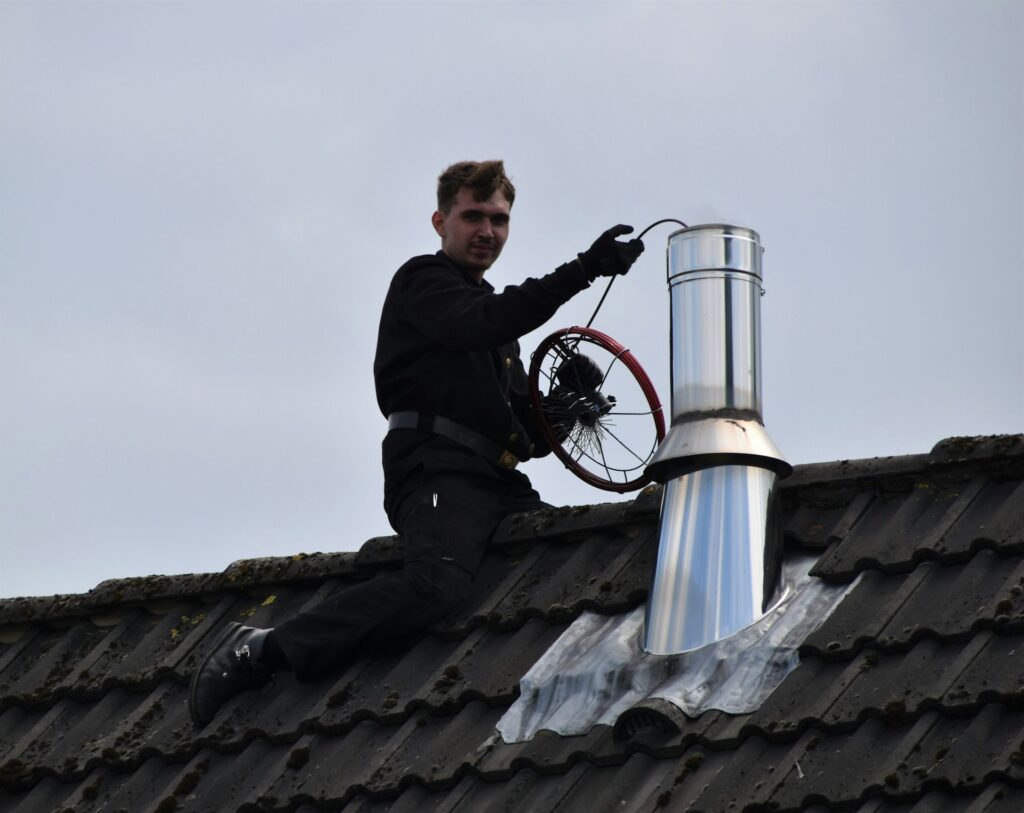
A chimney might look fine from the outside, but it’s what we can’t see that often matters most. That’s why a licensed chimney inspector is trained to spot issues hiding deep within the structure. While everything may seem in good shape, there can be cracks, blockages, or buildup inside that could cause problems down the road.
A professional inspection isn’t just about checking if smoke goes up the flue. It’s a hands-on look at all the parts that make the chimney work safely. Over time, weather, use, and age can lead to small issues that grow if ignored. Here in Wilmington, spring is a smart time to get ahead of those problems before humid summer air and heavy rains hit. Below, we’ll walk through what a chimney inspector actually looks for and why each step matters.
What Makes an Inspector “Licensed”?
Being a licensed chimney inspector means more than just having experience. It means someone took the time to get trained, pass tests, and follow standards that help keep homes safe during every season. We take this seriously because chimneys handle heat, smoke, and gases, and those things need to move out of the house smoothly.
When someone hires a licensed chimney inspector, they’re getting more than just a second pair of eyes. They’re trusting someone who has been taught to:
- Look closely at the full chimney system, not just the parts people can see
- Spot signs of wear that may not seem like much now but can grow into trouble
- Understand how fire, moisture, and time affect both old and newer chimneys
It’s easy to assume everything is fine if a fireplace still works, but there’s a big difference between a quick look and a full inspection by someone who knows where to look and what small problems really mean. That’s what makes the work of a licensed chimney inspector so valuable.
Triple Crown Chimney Solutions is proud to employ CSIA-certified and licensed inspectors familiar with Wilmington’s historic and modern chimneys.
The First Things an Inspector Checks
Most inspections start outside. It may seem simple, but the outside of a chimney can say a lot about what’s going on inside. We always begin by checking for visible damage, which might be easy to miss unless you know where to look.
- Cracks in the bricks or missing mortar between them
- Rust around metal parts, like the chimney cap or chase cover
- Leaning walls or areas that look uneven
These signs can tell us if water has been getting in or if the structure isn’t holding up against wind and weather anymore. Spring storms in Wilmington can add moisture over time, and once water gets inside, it can freeze, expand, and make things worse later on. If we catch it early, we can plan the best way to deal with it before summer heat bakes everything in place.
Inside the Chimney: Where Trouble Hides
The real clues usually come from inside. Once we’ve checked the outside, we move on to the areas most homeowners never see. Even if the chimney looks clean on top, the inside could be wearing down.
Here’s what we look for:
- Cracks or gaps in the flue liner
- Buildup of creosote from past fires
- Birds’ nests or debris blocking airflow
We often use small, high-powered flashlights or a special camera to see deep into areas that don’t get daylight. Damaged liners don’t always show up as large cracks, they sometimes begin as thin lines or missing chips. These can allow heat to escape into the wrong spots. That might not seem serious, but over time it can create a fire hazard or let bad air back into the home.
We keep things neat, but we’re also thorough. Our goal is to make sure we understand the full picture and explain things in a way that makes sense. That’s the only way to plan smart next steps.
During every inspection, we provide a written summary, photos, and practical recommendations so you can make decisions with clarity.
Smoke Flow and Firebox Condition
A chimney’s job is simple: send smoke up and away, and keep the fire under control. But when something interrupts that flow, it gets our attention right away. As part of the inspection, we check how easily smoke moves through the system. If it lingers or backs into the room, it’s usually a sign of an issue somewhere inside.
We also look at the firebox, the part of the fireplace where the fire actually burns. Over time, the walls can show signs of heat damage or shifting. If tiles are broken or the surface is crumbling, it may mean it’s time for a closer look.
Common warning signs include:
- Strange smells when the damper is open, even with no fire burning
- Smoke spilling into the room instead of rising straight up
- Black, flaky buildup along the walls
These checks aren’t just about keeping fires going. They’re about catching small problems early so that when fall arrives, the fireplace isn’t just working, it’s keeping your home safe, clean, and comfortable.
Peace of Mind for the Seasons Ahead
Late spring is the perfect time in Wilmington to schedule a chimney check. Rain and heat are just around the corner, but fall isn’t far behind. That makes now a smart window to get ahead of anything that needs attention.
When a licensed chimney inspector looks over your system, it helps take the guesswork out of home safety. You won’t have to wonder if your fireplace still works like it should. You’ll know where everything stands, and you’ll have time to make any fixes long before cooler weather rolls in.
Simple steps now can lead to a safer and smoother season later. A clean, working fireplace isn’t just nice for cold nights, it’s something you can feel good about using whenever the time comes. For homeowners who like feeling prepared, that peace of mind is always worth it.
Ensure your fireplace is ready for the seasons ahead by scheduling an inspection with a licensed chimney inspector from Triple Crown Chimney Solutions. Our experienced team provides thorough evaluations to catch potential issues before they become costly problems. Enjoy peace of mind knowing your chimney system is safe and efficient. Reach out to our experts today and protect your home with confidence.