
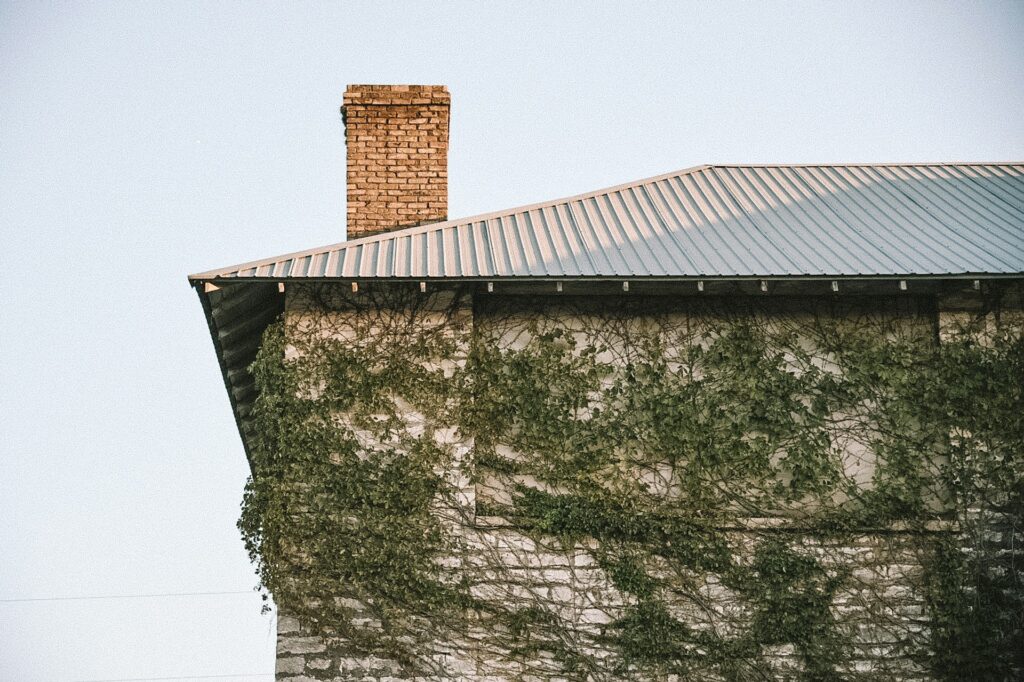
Stop Costly Leaks Before They Ruin Your Chimney
Water around a chimney usually starts small. A faint yellow stain on the ceiling, a musty smell near the fireplace, or a little flaking brick outside might not seem like a big deal at first. For many New Castle homeowners, those are the first clues that water is getting into the chimney system.
When water sneaks in, it does not just make things look bad. It can soak into brick and mortar, rot wood framing, feed mold, and even affect the way your fireplace or stove burns. Left alone, what started as a tiny leak can turn into major structural damage that is much harder to fix than an early repair.
Catching water damage early is almost always cheaper and less stressful than rebuilding a chimney later. A trained eye can spot trouble while it is still easy to repair. As a licensed, fully insured chimney company serving New Castle, Chester, and Delaware Counties, we see how fast small issues can grow when they are ignored.
Below are some of the most common warning signs of chimney water damage New Castle homeowners should watch for, especially as heavier rains and summer storms pass through our area.
Spotting Exterior Chimney Red Flags After Spring Rains
The outside of your chimney often shows the first signs of water trouble. A quick look from the yard or driveway after wet weather can tell you a lot.
Watch your masonry for:
- Cracked or missing mortar between bricks
- Bricks that look broken, flaking, or “popping” on the surface
- Gaps where pieces of brick or mortar have fallen away
Our local winters and rainy seasons are hard on chimneys. Water settles into tiny cracks, then expands when it freezes. Over time, those small cracks grow bigger, and the mortar starts to turn powdery or crumbly. Spalling bricks, where the face of the brick flakes off, are a clear sign that moisture is already inside the masonry.
The chimney crown and cap also play a big role in keeping water out. The crown is the concrete or mortar slab at the top of a masonry chimney. Its job is to shed water away from the flue and the brick below. Cracks, holes, or a crown that is pulling away from the bricks let rain soak straight down into the chimney structure.
A chimney cap sits over the flue opening and keeps rain, animals, and debris from falling straight in. Warning signs of a failing cap include:
- Rust streaks down the sides of the chimney
- A cap that looks tilted or loose
- Birds, squirrels, or nesting materials in the flue
Another clue is staining on the exterior. Brown or green streaks on brick and metal parts, such as flashing or chase covers, often mean ongoing water exposure. White, chalky deposits on the bricks, called efflorescence, show that water has moved through the masonry and carried minerals to the surface. That tells you moisture is not just hitting the outside, it is passing through.
Interior Signs Your Chimney Is Letting Water Inside
Even if the outside looks fine from the ground, the inside of your home may tell a different story. Water can travel along framing and building materials, then show up far from the actual leak point.
Ceiling and wall discoloration near the chimney is one of the most common indoor signs. You might see:
- Yellow or brown rings on ceilings
- Bubbling or peeling paint on walls or ceilings
- Soft, warped, or crumbly drywall
These marks may not appear right next to the fireplace. Since water can run along rafters and joists, the visible stain might be several feet away from where the chimney passes through the roof.
Your nose can often pick up problems too. A sour or musty smell coming from the firebox, especially after a storm or on a humid New Castle summer day, often points to hidden moisture. Inside the firebox or stove, you might see:
- Dark streaks on the back wall
- White mineral deposits on brick or panels
- Brick that is cracking or slowly crumbling
Interior metal parts also suffer when water is present. Watch for rust on the damper assembly, warped or fogged glass fireplace doors, or cracked interior panels in wood or gas stoves that are connected to the chimney. When these pieces degrade, performance drops, smoke can back up more easily, and safety can be affected.
Roofline Clues: Flashing, Leaks, and Attic Damage
Many chimney leaks start at the roofline, where the chimney meets the roofing material. The metal that seals this joint is called flashing. It is one of the first places water will try to get in.
From the ground or from a safe viewing spot, you might notice:
- Metal flashing that is bent, lifted, or missing
- Gaps where flashing no longer hugs the brick
- Old, cracked, or missing caulk or sealant
- Leaves and debris trapped behind the chimney
If water gets through the flashing, it usually shows up in the attic before you see it in your living space. A careful look in the attic near the chimney can reveal:
- Darkened or stained roof sheathing
- Mold or mildew on rafters
- Damp or matted insulation close to the chimney
Regular checks during our humid summers can uncover these signs early, long before you see water spots on your ceiling. Once leaks move inside, you may start to notice:
- Water spots around ceiling light fixtures near the chimney
- Cracked or crumbling plaster
- Sagging or bowed drywall in rooms below
These are more than just cosmetic headaches. Water near electrical fixtures and structural framing can raise the risk of electrical hazards and long-term decay if the chimney and roof areas are not inspected and repaired by a professional.
How Professional Chimney Waterproofing Protects Your Home
When people hear “waterproofing,” they sometimes think of paint or a quick spray from the hardware store. Chimney waterproofing in New Castle, DE should be a lot more careful than that.
Professional-grade masonry waterproofing products are made to be breathable. That means they help block rain from soaking in from the outside, but still allow moisture inside the masonry to escape. Cheap sealants or regular paint can trap moisture inside the brick and mortar, which often makes damage worse over time.
A proper chimney waterproofing service usually includes:
- A full inspection of the chimney structure
- Repair of minor cracks or failing joints
- Attention to the crown and cap
- Careful application of waterproofing to brick and mortar
For New Castle homeowners, the long-term benefits are real. A well-protected chimney tends to last longer, need fewer repairs, and is better able to stand up to heavy rains and freeze-thaw cycles. It also helps cut the risk of hidden mold or interior water damage caused by slow, steady leaks.
DIY fixes can easily backfire. Common mistakes include:
- Using non-breathable paints or generic sealers
- Covering over, instead of repairing, cracked crowns or joints
- Skipping needed cap or flashing repairs
Working with licensed, fully insured chimney professionals helps make sure the work is done safely and in line with industry standards, so your chimney and home are better protected.
Schedule Your Chimney Water Check Before Summer Storms Hit
If any of these warning signs sound familiar, it is time to pay attention to your chimney. Waiting until fall or until water is dripping into a room often means more damage has already been done in hidden spots.
Late spring and early summer are smart times for New Castle homeowners to have chimneys inspected, checked for leaks, repaired if needed, and protected with proper waterproofing. The weather is usually better for masonry work, and your chimney can be ready before heavier storms and colder weather return.
At Triple Crown Chimney Solutions, we help homeowners in New Castle, Chester, and Delaware Counties spot problems early and protect their homes from chimney water damage. A careful inspection and the right repairs now can save you from major chimney headaches down the road.
Get Started With Your Project Today
Protect your chimney and home from costly water damage by scheduling professional chimney waterproofing in New Castle, DE with Triple Crown Chimney Solutions. We will inspect your system, explain our recommendations clearly, and complete the work with long-lasting materials. Reach out today so we can help you keep your chimney safe, dry, and performing at its best.