
Protecting Your Wilmington Home From Hidden Roof Leaks
Water stains on the ceiling after a heavy summer storm can be confusing. The roof looks fine from the yard, the shingles seem to be in place, yet there is a brown ring on the bedroom ceiling or a damp patch on the wall by the fireplace. Many homeowners are surprised to learn that the chimney, not the shingles, is often the real source of the leak.
One of the most common trouble spots is chimney flashing. This small strip of metal where the chimney meets the roof is easy to overlook, but it plays a big role in keeping water out of your home. When it fails, water finds its way inside, sometimes for a long time before you see any clear signs.
By understanding how chimney flashing works and how repair is done in Wilmington homes, you can stop small issues before they turn into big headaches. With our local weather and older masonry chimneys, this is an area that deserves a close look.
What Chimney Flashing Is and Why It Matters
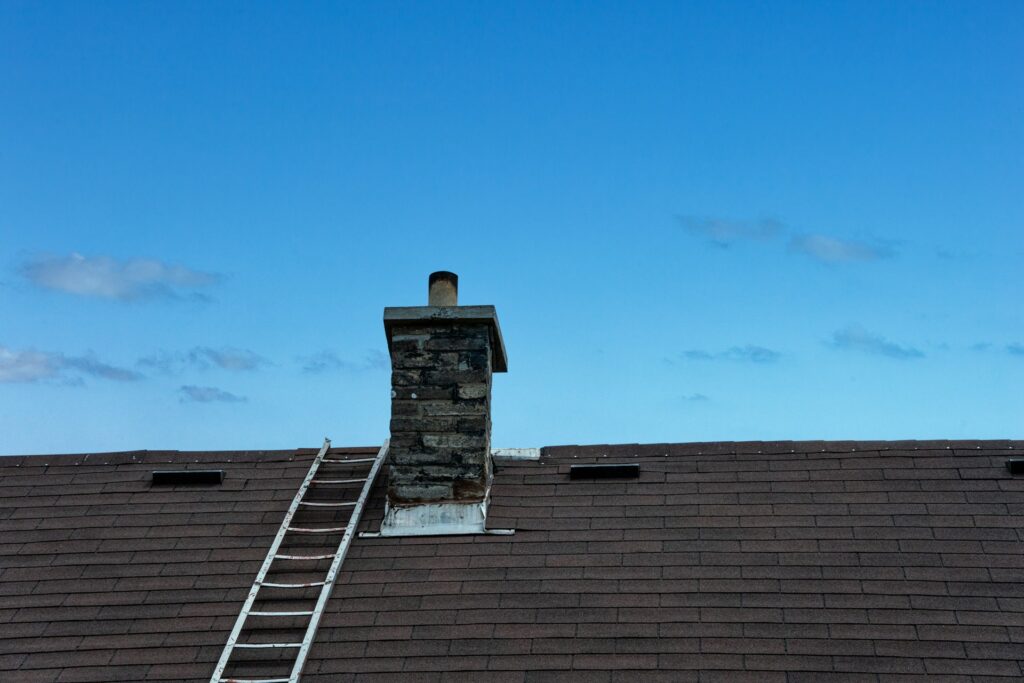
Chimney flashing is the metal that seals the joint where your chimney passes through the roof. It is usually made from aluminum, galvanized steel, or copper. The flashing is cut, bent, and layered in a way that directs rainwater away from this gap and onto the shingles.
Good flashing is not a single piece stuck on top of the roof. It works together with the other parts around the chimney, including:
- Roof shingles and underlayment
- The brick or stone chimney structure
- Mortar joints and chimney crown
- Any nearby valleys or roof edges
All of these pieces need to work as a team to create a path that sends water down and away. When flashing is tight and installed correctly, water flows over it and never reaches the wood and drywall inside your home.
When flashing fails, water can slip into tiny cracks and openings. Over time, this can lead to wood rot in the roof decking, soggy insulation, mold growth in attic spaces, stained ceilings and walls, and in bad cases, damage to framing around the chimney. Because the leak is often slow, the damage can spread quietly before anyone notices.
Common Chimney Flashing Problems in Wilmington Homes
Homes in Wilmington and the nearby Delaware Valley see a mix of weather that is hard on roofs and chimneys. Strong summer thunderstorms bring heavy rain in a short time. Coastal humidity keeps materials damp longer. Winter brings freeze and thaw cycles that expand and contract metal and masonry. High winds can lift or loosen flashing and shingles.
These conditions often lead to:
- Rusted or corroded metal flashing
- Sealant that has dried, cracked, or fallen out
- Flashing that was never installed correctly in the first place
- Mismatched materials where the chimney meets the roof
- Damage from past roof work that disturbed the flashing
Some homes are more at risk than others. Older masonry chimneys, homes with complex or multiple rooflines, or chimneys that have been “patched” in the past with caulk or roof tar often have hidden issues. If storms have already knocked off shingles or caused other roof damage, there is a higher chance that the flashing around the chimney has been stressed as well.
Warning Signs Your Chimney Flashing Needs Attention
Leaks from chimney flashing are tricky because the water can travel along beams and trusses before it shows up. Still, there are some clear things to watch for inside and outside your home.
Inside your home, pay attention to:
- Brown or yellow water stains on ceilings or walls near the chimney
- Peeling paint, bubbling drywall, or soft spots on the ceiling
- Musty or damp smells in rooms under the roof after a storm
- Wet spots or darkened areas around the fireplace or stove
Outside, a quick look from the ground or a safe vantage point may show:
- Visible gaps between the chimney and the roofing material
- Flashing that looks lifted, bent, or warped
- Rust streaks running down from the metal
- Caulk or sealant that is cracked or missing
- Crumbling mortar around the base of the chimney
- Moss, algae, or dark staining where water tends to sit
Summer and early fall are often the best times to address chimney flashing repair in Wilmington. The weather is usually warmer and drier, which helps with detailed roof work and sealing. Handling problems before late fall storms and winter snow gives your home a better chance to stay dry when it matters most.
How Professionals Repair and Replace Chimney Flashing
A proper chimney flashing repair always starts with a careful inspection. A trained chimney technician will look at the flashing itself, but also at the shingles around the chimney, the chimney crown, and the masonry. The goal is to find the true source of the leak, not just the most obvious damage.
Depending on what is found, repair methods may include:
- Resealing small gaps where water can sneak in
- Replacing individual sections of step flashing or counterflashing
- Re-bedding flashing into mortar joints so it is held firmly in place
- Removing old tar or caulk “patches” and correcting those areas the right way
Sometimes, the damage or wear is too great for spot repairs to make sense. In those cases, full flashing replacement is usually safer and more reliable. This often means removing the old metal, checking the surrounding roof structure, then installing new flashing that ties into the shingles and chimney to meet building codes and manufacturer guidelines. Coordination with any needed roofing repairs ensures that all pieces work together as a complete system.
Preventing Future Leaks with Regular Chimney Care
The best way to deal with chimney flashing problems is to catch them while they are still small. Regular chimney inspections give you an early warning, especially in older homes or ones that take a beating from repeated storms.
During routine care, it helps to look at more than just the flashing. A full chimney check can include:
- Chimney sweeping to remove creosote and check the flue
- Masonry inspections to find cracks and loose bricks
- Crown inspections and repair so water does not pool at the top
- Waterproofing of masonry surfaces where needed
- Close review of all flashing and roof contact points
When these services work together, they form a strong defense against water intrusion. Instead of waiting for a stain on the ceiling to tell you there is a leak, you get ahead of the problem. Working with a licensed, fully insured local company that understands Wilmington weather and building styles helps make sure your chimney system is cared for the right way.
By giving your chimney flashing the attention it deserves, you protect your roof, your interior finishes, and the overall structure of your home. A small strip of metal at the roofline may not look like much, but it plays a big part in keeping your home dry and comfortable through every season.
Get Started With Your Project Today
If you see staining, leaks, or gaps around your chimney, we are ready to help you stop the damage before it spreads. At Triple Crown Chimney Solutions, our technicians carefully inspect your roof-to-chimney transitions and provide precise chimney flashing repair in Wilmington that keeps water out for the long term. Reach out today so we can assess your chimney, explain your options clearly, and schedule work at a time that fits your needs.