
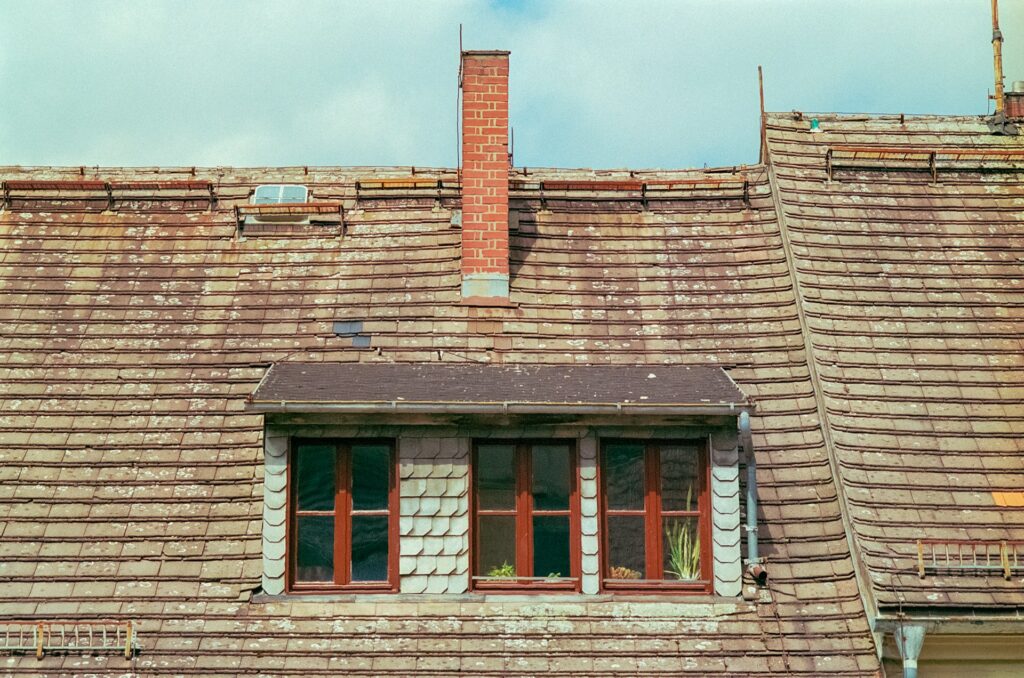
Stop Costly Leaks Before They Reach Your Living Room
Water is one of the fastest ways to damage a chimney. When rain and melting snow soak into brick and mortar, that moisture can end up inside your home as stains, bubbling paint, warped trim, or damaged ceilings. It can also eat away at the firebox and smoke chamber where you burn your fires.
Midsummer is a smart time to plan chimney waterproofing in New Castle, DE. The weather is usually warm and dry enough for products to cure, and you can get ahead of the heavier fall rains and winter freeze-thaw cycles. That means fewer surprises once you start using your fireplace again.
Not every chimney needs the same plan. The type of brick, the age of the chimney, and how much weather it takes all play a big part in what will actually work. A one-size-fits-all spray from the hardware store often does more harm than good, especially on older or softer brick.
As a licensed, fully insured chimney contractor serving New Castle, Chester, and Delaware counties, we see local chimneys up close every day. We understand how our regional climate and building styles affect your chimney, and we build waterproofing plans that match what your home really needs.
How New Castle Weather Beats up Your Chimney
Our local weather is tough on masonry. Humid summers, pop-up thunderstorms, nor’easters, and long stretches of cold all push water into your chimney in different ways.
Common moisture entry points include:
- Cracked or poorly built crowns
- Porous or spalling brick faces
- Loose, missing, or deteriorated mortar joints
- Damaged or missing chimney caps
- Flashing that is loose, rusted, or never sealed well in the first place
When the wind drives rain sideways, taller chimneys get hammered on all sides. A chimney that sticks up above the roofline with no tree cover around it will get soaked more than a low, sheltered stack near a gable wall. As water enters, it can freeze inside the brick in winter, expand, and cause more cracking and flaking.
This is why a quick spray-on sealant is not enough. Some products form a film on the surface. On the wrong brick, that film traps moisture inside. Over time, that can lead to more spalling, white salt deposits on the surface, and loose pieces of brick popping off. A smart plan starts with how your chimney is built, where it sits on the roof, and how it has aged.
Matching Waterproofing Products to Your Brick Type
Not all brick is the same. On many newer homes, you will see hard, dense brick that absorbs water slowly. On older or historic homes around New Castle, DE, the brick is often softer and more porous. These older bricks take in water more easily and need special care.
For most brick chimneys, the best choice is a breathable, vapor-permeable water repellent. These products soak into the masonry and help repel liquid water from the outside, but they still allow moisture vapor from inside the wall to escape. That balance is important if you want the chimney to dry out instead of hold dampness.
Generic or film-forming sealers can cause trouble, especially on softer brick. Problems can include:
- Trapped moisture inside the brick
- Faster spalling and flaking surfaces
- Efflorescence, which is the white, powdery salt on the brick
- Peeling or cloudy coatings over time
We do not guess when it comes to brick. We look at how quickly the brick absorbs water, the color and texture, any existing coatings, and the overall condition. That helps us choose a professional-grade water repellent that matches that specific chimney so it can shed water while still breathing.
Chimney Age, Condition, and Needed Repairs
Age changes everything. Older chimneys often show wear that younger chimneys do not. You may see:
- Crumbling or recessed mortar joints
- Hairline cracks all across the concrete crown
- Old patch jobs with mismatched mortar or caulk
- Rusted, loose, or missing chimney caps
- Unlined flues or clay tiles that are cracked, shifted, or missing
With an older chimney, waterproofing usually starts with repair. If you put water repellent over damaged mortar or a cracked crown, water will still get in. We typically repair or repoint mortar joints, rebuild or resurface the crown, and install or replace a cap. Once the structure is sound and tight, then a water repellent can do its job.
Newer chimneys often need more prevention than big repairs. For those, a good plan might include:
- A quality water repellent on all exposed masonry
- A flexible, protective coating on the crown
- A properly sized and screened cap
- Regular inspections to catch early deterioration
A professional Level 1 or Level 2 inspection is the best way to decide what your chimney really needs. An inspection helps us catch hidden cracks, flue damage, and past water issues so we do not accidentally seal those problems inside.
Exposure, Roof Design, and Your Risk Level
Two chimneys on the same block can face very different conditions. How your chimney sits on your roof has a big impact on its water risk.
We look at details like:
- Chimney height compared to the ridge of the roof
- Direction the chimney faces compared to prevailing winds
- Shade or shelter from nearby trees or structures
- Roof slope and where water naturally flows during a storm
A tall chimney on an open ridgeline with no tree cover takes the full force of wind-driven rain. That chimney may need a heavier application of repellent, extra attention to the crown, and upgraded caps or even a top-sealing damper for better protection.
Chimneys that sit in roof valleys or close to gutters see more splashback and pooling water. On those, flashing is a big focus. We look closely at step flashing and counterflashing to keep water from sneaking in where the roof meets the brick.
By checking exposure on-site, we can adjust how much product we use, which formula we pick, and how often we may recommend reapplication for chimney waterproofing in New Castle, DE.
Building a Custom Waterproofing Plan with a Pro
A solid waterproofing plan follows a clear process, not guesswork. For us, that usually looks like this:
- A visual inspection of the chimney from the roof and the ground
- A camera inspection inside the flue if we suspect hidden damage
- Moisture and damage assessment on the masonry, crown, and flashing
- A written plan that explains repairs and recommended products
The main pieces of a complete plan can include:
- Masonry water repellent for the exterior brick or stone
- Crown repair, resurfacing, or full replacement
- Chimney cap upgrade or new installation
- Flashing repair or replacement around the base of the chimney
- Optional relining work if water has damaged the flue or smoke chamber
We also help homeowners think about timing. Active leaks, serious crown cracks, and missing caps come first. Preventative treatments and non-urgent upgrades can follow. That way you can space out work and still be ready before heating season.
Working with a licensed, fully insured chimney contractor gives you peace of mind that products are being applied correctly and that the underlying damage is handled, not just covered up. That is how we approach every chimney we service through Triple Crown Chimney Solutions in New Castle and the surrounding counties.
Get Started With Your Project Today
Protect your home from costly water damage by trusting Triple Crown Chimney Solutions to seal and safeguard your chimney. Our experienced team will inspect your system, explain what we find, and recommend the best options for long-lasting protection. Schedule professional chimney waterproofing in New Castle, DE today so we can help you keep your fireplace and chimney safe, efficient, and structurally sound.