
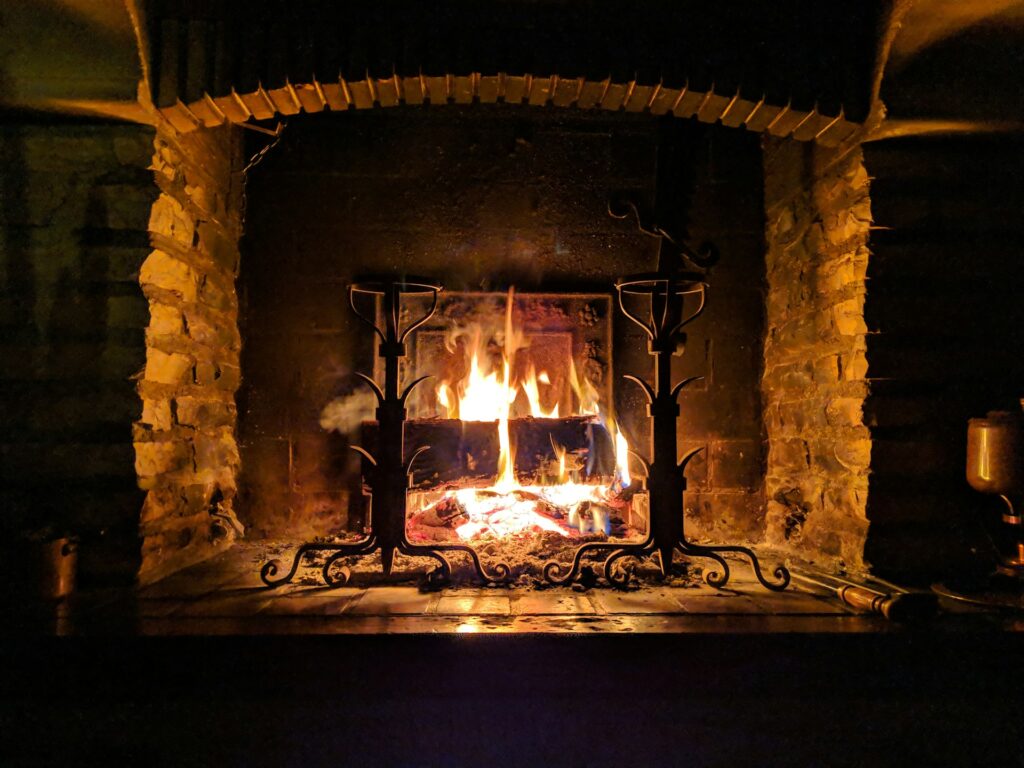
Breathe New Life Into That Old Fireplace This Fall
An old fireplace can look cozy and charming, but if it has not been used in years, it can also hide real safety problems. Many New Castle County homeowners stare at that dusty firebox as the weather cools and wonder if it is okay to light a match. The honest answer is: not until it has been checked the right way.
A fireplace that has been sitting unused can actually be riskier than one that gets regular attention. Inside the chimney there can be animal nests, leaves, loose bricks, or years of creosote and soot. Moisture can sneak in and damage the liner or masonry. Cracks and gaps can form that you will not see from the living room. A simple revival checklist helps you catch those problems before they turn into smoke in the house or a chimney fire.
We work with homeowners across New Castle, Chester, and Delaware Counties who want to bring old fireplaces safely back to life. By following the steps below, you can move from worry and guesswork to confidence and peace of mind before that first fire of the season.
Start with a Professional Safety Inspection
A quick flashlight peek up the flue is not the same as a real chimney inspection. When a system has been ignored for years, it needs a careful, methodical look from a trained professional, not just a casual glance.
During a professional inspection of an old or unused fireplace, the technician will check things like:
- Firebox condition, including loose bricks, gaps, or damaged panels
- Chimney structure, looking for tilting, cracks, or signs of movement
- Moisture intrusion, like staining, rust, or soft, crumbling mortar
- Creosote or soot deposits that point to past burning habits
- Old “patch jobs,” makeshift repairs, or unapproved changes
- Clearance to nearby framing and other combustibles
For fireplaces that have sat idle for a long time, have had a change in ownership, or may have taken on storm or structural damage, a more detailed NFPA Level 2 inspection is usually recommended. This type of inspection often includes a video camera run inside the flue to see what is happening in hidden sections you cannot view from the top or bottom. It is one of the best ways to spot cracked tiles, gaps, or unseen blockages.
Since many people in our area rush to get ready for heating season at the same time, it is smart to plan inspections in late summer. That way homes in New Castle, Chester, and Delaware Counties are set before the first cold nights push everyone to light up at once.
Deep Clean and Sweep Away Years of Buildup
Once a neglected fireplace has been inspected, chimney sweeping is usually the next step, especially after years of inactivity. Even if no one has burned a log in a long time, the chimney still sits open to the outdoors. In New Castle, DE, and nearby communities, it is common to find:
- Bird or animal nests packed inside the flue
- Leaves and branches dropped down from nearby trees
- Loose bricks, tiles, or mortar that have fallen from the walls
- Old creosote and soot left from the last owner’s fires
A professional sweep will protect your home first, laying down drop cloths and using proper vacuums to control dust. Then they will scrub the flue from top to bottom with rotary brushes, clear the smoke chamber, and remove any debris or obstructions. This process not only cleans the system, it also exposes sections of the chimney that might have been coated or blocked before.
After a thorough sweep, problems like damaged flue tiles, missing mortar joints, or scars from past chimney fires are much easier to see. That is why pairing sweeping with your inspection appointment before peak autumn demand is such an effective way to make sure your fireplace is actually ready, not just “good enough.”
Check Caps, Dampers, and Chimney Exterior Health
Many older homes in and around New Castle were built without modern chimney caps, or the original caps have rusted away over time. A proper cap is the first line of defense against rain, snow, animals, and wind-driven debris entering your flue. Without it, that unused chimney can fill up with water and wildlife, which then leads to odor, staining, and damage inside the structure.
During a fireplace revival visit, a technician will also test the damper, the metal plate that opens and closes the throat of the chimney. They will check:
- Smooth, easy movement when opening and closing
- A good seal when shut to reduce energy loss
- Signs of rust, warping, or broken parts
- Any obstructions preventing full opening
A stuck, corroded, or poorly sealing damper can cause smoke to roll back into the room or let your conditioned air escape when the fireplace is not in use.
On the outside, the chimney itself needs attention too. Cracked or spalling bricks, flaking concrete, deteriorated mortar joints, rusting chase covers, and worn or lifted flashing can all allow water to seep into the system. Over time, that moisture weakens masonry and metal parts and can reach nearby framing. Professional crews can repair or replace caps and dampers and address exterior issues as part of a complete plan to get your fireplace back into safe working shape.
Verify the Chimney Liner and Repair Hidden Damage
Deep inside the chimney is the liner, which is a key safety component. The liner has three main jobs: it keeps extreme heat and sparks contained, it protects the surrounding masonry and framing from damage, and it helps move smoke and gases up and out of your home.
Years of sitting damp, past heavy use, or wrong type of fuel can damage that liner. Clay tiles can crack or develop gaps at the joints. Metal liners can corrode, separate, or buckle. These problems are usually hidden and not something a homeowner can spot just by looking from the firebox.
Video scanning and specialized tools let professionals carefully check the liner’s full length and make sure it is the right size and type for the appliance, whether it is an open fireplace or a stove connected to the flue. If it is compromised, relining or repair might be recommended before the fireplace is used again.
A damaged liner does not always show dramatic signs. The fire might still appear to burn “normally” in the room, but behind the scenes the risk of a chimney fire or carbon monoxide entering the living space can be higher. Liner verification is a key part of making sure your revived fireplace is not only cozy, but also safe and efficient.
First-Burn Safety Steps for a Worry-Free Fire
Once inspection, sweeping, and any needed repairs are complete, it is time for that first test fire. Taking it slow and paying close attention during this first burn is important.
A simple first-burn checklist looks like this:
- Make sure the damper is fully open
- Clear the area around the hearth of anything that could burn
- Crack a nearby window slightly if recommended by your technician
- Do a quick draft check with a rolled-up, lit piece of newspaper to see if smoke rises smoothly up the flue
Start with a small, controlled fire using only seasoned, dry firewood. Avoid overloading the firebox. Keep a screen or glass doors closed to prevent sparks from popping into the room. Before lighting, confirm that smoke and carbon monoxide detectors on each level of the home are installed and working.
Stay in the room for the entire first burn. Watch for smoke spillage around the opening, unusual odors, loud roaring sounds in the flue, or signs that the fire is struggling to draft. If anything feels off, let the fire die down and have a professional take another look before trying again.
Going forward, plan on regular chimney sweeping in New Castle, DE and the surrounding area, even if you only use the fireplace a few times a season. Routine maintenance helps prevent new buildup, catches small issues before they grow, and keeps that once-forgotten fireplace safe and ready whenever you want a warm, relaxing fire.
Get Started With Your Project Today
If you are ready to make your fireplace safer and more efficient, our team at Triple Crown Chimney Solutions is here to help. Schedule expert chimney sweeping in New Castle, DE so we can thoroughly inspect, clean, and address any issues before they become costly problems. Reach out today to discuss your concerns, get honest recommendations, and book a convenient appointment.