
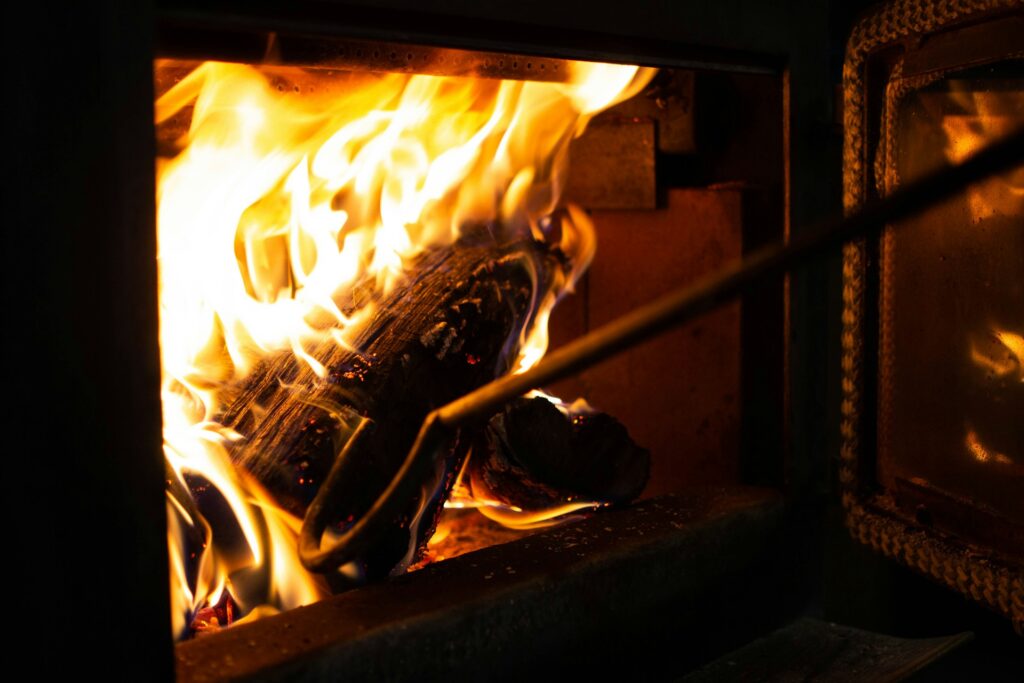
Upgrade Your Wood Stove Before Cold Weather Hits
Upgrading a wood stove is not only about comfort, it is about safety and peace of mind. If you wait until the first cold snap to deal with an old or failing unit, you may be stuck in line while everyone else scrambles for service.
Late summer is a smart time to plan wood stove removal in Wilmington, DE and the surrounding counties. Temperatures are still mild, there is time to make repairs, and you are not depending on the stove for daily heat. Replacing an aging, damaged, or outdated unit before heating season can reduce fire risk, cut smoke, and help your home feel evenly warm instead of hot in one spot and chilly everywhere else.
Our team at Triple Crown Chimney Solutions is a licensed, fully insured chimney company serving New Castle, Chester, and Delaware counties. We help with inspections, wood stove removal, venting checks, relining, and new installations. Below, we will walk through how to pick the right new stove, what to check with your chimney and liner, how permits work, and an easy checklist to get your home ready.
Signs Your Old Wood Stove Needs to Go
Some stoves are simply past their safe service life. Others might still look fine but show warning signs when they are burning.
Safety red flags include things like:
- Warped or buckled metal on the body or flue collar
- Cracked or missing firebrick inside the firebox
- Damaged doors, loose hinges, or latches that no longer seal
- Glass that is cracked, crazed, or badly stained with heavy soot
- Smoke leaking into the room when you start or reload a fire
These issues can increase the chance of a chimney fire, allow carbon monoxide to escape into your home, and speed up damage to the chimney system. If the stove leaks air or does not seal well, it can also send more sparks and embers toward nearby combustibles.
Performance and comfort problems are another strong clue that it is time to replace. You may notice:
- Rooms that never feel warm, even when the stove is roaring
- Big swings from too hot to too cold
- Constantly feeding in wood with little heat to show for it
- Difficulty getting a fire started or keeping it burning
- Frequent relighting or a lot of half-burned wood in the firebox
These signs can point to an undersized or oversized stove, poor internal design in an older model, or hidden chimney issues that a new stove and liner can help address.
There are also code and insurance concerns. Many older stoves do not meet current building codes or the clearance rules given in newer manuals. If the stove sits too close to walls, furniture, or a wood mantel, that can create risk and might affect homeowners insurance coverage if there is a problem. Before you plan wood stove removal in Wilmington, DE, it is smart to have a professional inspection. That visit can document current conditions and help you choose a safe upgrade path.
Choosing the Right Size and Style for Your Home
Picking a new wood stove is not only about what looks nice in the living room. If the size and style do not match your home and heating goals, you will not be happy with the results.
A good starting point is to match the stove to your square footage and layout:
- Small stoves work best for single rooms or compact spaces
- Medium stoves can heat an average-sized main floor
- Large stoves are for bigger, more open layouts or multiple rooms
Open floor plans, tall ceilings, and poor insulation may require stepping up in size. On the other hand, going too big can lead to overheating the space. When a stove is oversized, many people shut it down to a low smolder most of the time, which creates more creosote and more smoke. An undersized stove can leave you shivering or overfiring the unit, which can shorten its life.
Think about how you plan to use the stove:
- Occasional ambiance, a few evenings a week
- Regular supplemental heat to help the main system
- Primary heat for a large part of the home
If you want long overnight burns, look for models known for longer burn times and higher efficiency. If the goal is to heat one cozy room, a smaller unit may be perfect. Your loading habits, how often you want to tend the fire, and which rooms you want warm should all guide the choice.
Style and features matter too. Many homeowners like:
- Traditional cast iron designs with classic details
- Simple modern steel boxes with clean lines
- Large glass viewing windows for flame watching
- Blower options to move warm air into nearby rooms
- Easy-to-use ash pans and door handles
EPA-certified, high-efficiency models are a smart choice. They tend to burn cleaner, send less smoke into the neighborhood, and can help lower your wood use while still keeping things toasty.
Venting, Liners, and Codes You Cannot Ignore
A wood stove is only as good as the system it is connected to. A beautiful new unit will not perform well if the flue and chimney do not match the stove’s needs.
Your existing chimney and liner must be checked for:
- Flue size that matches the stove’s collar and manual
- Proper height to create good draft
- Interior condition, with no crumbling, gaps, or heavy creosote
Many older masonry chimneys are too large or have damaged flue tiles. In those cases, a correctly sized stainless steel liner is usually recommended. Relining improves draft, helps the stove burn cleaner, and protects the masonry from high heat and byproducts.
Clearances and location are just as important. Every modern stove comes with a manual that lists minimum distances to walls, ceilings, mantels, window trim, and other combustibles. These numbers often differ from your old stove’s specs, so you cannot assume the new one can sit in the exact same spot without changes.
You may need to adjust or add:
- Hearth extension in front of the door
- Floor protection with the right R value under and around the stove
- Wall shields or noncombustible surfaces behind or beside the unit
Local permits and inspections also come into play. Wood stove replacement usually falls under building or mechanical codes. Towns and counties around Wilmington may expect proof of proper clearances, venting, and liner installation. A company like Triple Crown Chimney Solutions can help coordinate permits, perform Level Two chimney inspections, document a new liner, and provide the reports that local inspectors and insurance carriers often want to see.
Wood Stove Removal and Installation Readiness Checklist
Once you choose your new stove, a little planning will make removal and installation smoother.
To prepare your home and schedule:
- Clear a wide path from the door to the stove
- Move or cover nearby furniture, rugs, and decor
- Expect some noise and dust while the old unit is removed
- Plan for the stove to be out of service for at least part of a day
Many homeowners aim to have wood stove removal in Wilmington, DE and new installation done on the same day. Late summer or early fall is ideal, before the busy season and before you rely on the stove for daily heat.
Some structural and chimney prep work may be needed before the new unit can go in. This can include:
- Chimney sweeping to remove creosote and blockages
- Tuckpointing loose mortar joints or masonry repairs
- Crown repair at the top of the chimney
- New chimney cap and flashing to keep out water and animals
- Hearth extension, wall protection, or even floor reinforcement if the new stove is heavier
Before install day, it helps to go through a short checklist with your installer:
- Confirm stove model, firebox size, and heat output range
- Verify flue size, liner type, and connection method
- Mark exact stove placement and clearances on the floor and wall
- Review locations of smoke and carbon monoxide detectors
- Review warranty terms, maintenance steps, and an annual inspection and sweeping plan
A clear plan keeps surprises to a minimum and helps your new system start off on the right foot.
Schedule Your Wood Stove Upgrade Before Fall Rush
When the first chilly nights arrive, chimney companies across New Castle, Chester, and Delaware counties tend to book up quickly. If you wait until your old stove is smoking, leaking, or refusing to heat, you may be stuck waiting while the weather gets colder.
By planning wood stove removal in Wilmington, DE ahead of time, you give yourself space to handle hidden chimney problems, pick the right size and style of stove, and make sure venting and clearances are all in line with current codes. With a thoughtful upgrade and a safe, well-installed unit, your home can be warm, efficient, and ready for whatever winter brings. Triple Crown Chimney Solutions is here to help with inspection, planning, and professional installation so you can enjoy your new wood stove with confidence.
Get Started With Your Project Today
If you are ready to reclaim your space and improve safety, we are here to help. At Triple Crown Chimney Solutions, our experienced team can handle every step of your wood stove removal in Wilmington, DE, from assessment to clean-up. We will walk you through your options, answer your questions, and schedule work at a time that fits your calendar. Reach out today so we can help you move forward with a safer, more functional home.