
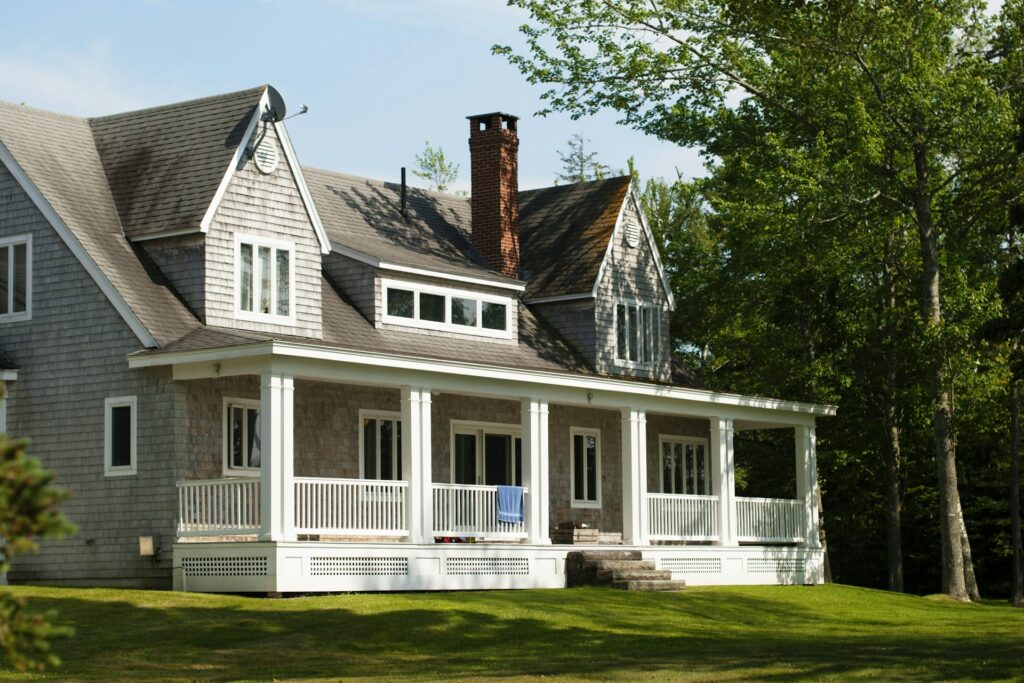
Stopgap Fixes vs. Safety Risks in Older Chimneys
Older homes around Chester, PA have a lot of charm, but the chimneys often tell a different story. Many are original to the house, with aging brick, shifting foundations, and old patchwork repairs that are long past their prime. When that first chill hits and you want to use your fireplace or heating system, those hidden chimney problems can turn into real safety concerns.
Early fall is the key time to get ahead of chimney issues. If you wait until the first cold snap, everyone is trying to get chimney repair in Chester, PA at the same time, which can mean longer waits and more stress. Catching problems in September gives you time to plan, fix, and feel confident before the heavy heating season starts.
The hard part for many homeowners is this: what should you fix first when money is tight but your crown, flashing, and liner all show wear? Not every defect is an emergency, and not every crack means you are in danger. Our goal is to help you understand which issues are true safety risks, which are slow-building problems, and how to make smart choices that protect both your family and your budget.
What a Safe, Functional Older Chimney Should Look Like
To make good decisions, it helps to know what you are looking at. A typical older masonry chimney on a Chester home has a few main parts:
- Crown: The concrete or mortar slab at the very top that sheds water away from the flue and masonry.
- Flashing: The metal where the chimney meets the roof that keeps water from sneaking into your attic and walls.
- Masonry stack: The brick and mortar structure you see from the ground.
- Flue liner: The inner “pipe” that carries smoke and gases up and out.
- Smoke chamber: The area above the fireplace opening that funnels smoke into the liner.
All these parts work together as a system. The liner moves heat and gases safely, the crown and flashing keep water out, and the masonry supports everything. When one part fails, stress is pushed to the others. For example, a cracked crown lets water in, which can then damage the liner or the bricks below.
In older homes, some common warning signs include:
- Hairline or wider cracks across the crown.
- Rust stains running down the chimney or around the flashing.
- Peeling paint, stains, or soft plaster on walls or ceilings near the chimney.
- Smoke backing into the room, hard-to-start drafts, or strong fireplace odors.
The best starting point is a professional chimney inspection, often called a Level 1 or Level 2, especially if you are buying an older home or planning a renovation. A careful inspection report gives you a clear picture before you commit to any repairs.
Ranking Crown, Flashing, and Liner by Their Safety Impact
When we talk about safety, the flue liner almost always comes first. Problems like cracked tiles, gaps in mortar joints, missing sections, or an unlined chimney can let extreme heat or carbon monoxide move into walls, attic spaces, or living areas. That is why major liner defects or a missing liner go right to the top of the “fix now” list.
Flashing issues are usually more about water than fire. When flashing fails, you often see leaks in ceilings or walls, rotting roof framing, and even mold. That might not sound as scary as a liner problem, but active leaks can spread fast and lead to very costly structural repairs if ignored.
Crown problems start as a water control issue too. Small cracks may first look like only a cosmetic flaw. Over time, water gets into those cracks, freezes and thaws, and slowly breaks down the top of the chimney. Left alone, that damage can travel down into the bricks and the liner joint areas, turning a small problem into a big one.
A simple way to think about risk is:
- Highest: Major liner defects or missing liner.
- High: Active water entry at flashing or joints around the chimney.
- Moderate: Crumbling or severely cracked crown that is breaking apart.
- Lower: Minor crown cracks and cosmetic masonry flaws without leaks.
Every chimney is different, so having an experienced technician apply this kind of ranking to your exact situation is very helpful.
Budgeting for Fall Repairs on Older Chester Chimneys
Older chimneys can surprise you, especially when repairs uncover hidden damage. While we will not talk about specific prices, it helps to understand how different repair types usually compare to each other.
Here is a general way to think about repair levels:
Crown work:
- Light work might be sealing small cracks with a protective coating.
- Heavier work could be a full crown rebuild with new materials and forms.
Flashing work:
- Minor repairs might include small patches or sealing problem areas.
- Larger jobs can mean full flashing replacement along one side or all sides.
Liner work:
- Limited clay tile repairs may be possible in some setups.
- Full relining often uses new stainless steel liner systems sized to the appliance.
When your budget is limited, focus first on safety and active leaks. That usually means dealing with serious liner defects and any spots where water is already coming in. Once those are under control, you can plan for longer-term and cosmetic items like minor crown work or brick repointing, often in stages.
To stretch your fall maintenance budget, consider:
- Getting inspections in late summer or early fall so you are not rushed.
- Asking for written estimates that clearly separate “must-fix-now” items from “plan for later” items.
- Talking openly about your budget so work can be phased in a smart way.
- Confirming that the company is licensed and insured before work starts.
A thoughtful plan helps you avoid surprise add-ons and keeps you focused on what matters most.
Smart Repair Scenarios for Common Older Home Problems
Let us walk through a few common situations we see with older chimneys and how repair priorities might shake out.
Scenario 1: Small crown cracks, rusty flashing stains, badly deteriorated clay liner
If the inspection shows serious liner problems along with only minor crown cracks and some staining at the flashing, the safest plan usually starts with the liner. Bringing the liner up to a safe standard protects your home from heat and gases. At the same time, a technician may suggest temporary water control at the crown and flashing, such as sealing or short-term patching, so things do not get worse. A full crown rebuild can often be planned for a later season when the budget allows.
Scenario 2: New water stains on an upstairs ceiling, tilted or spalled crown, liner in fair condition
Here, water is the active threat. If ceiling stains are new and the crown looks like it is tilting or breaking apart, that points to water entering at the top or at the flashing. In this case, stopping the leak becomes the top goal to protect the roof deck, rafters, and interior finishes. Flashing repair or replacement, along with crown repair or rebuilding, usually moves ahead of liner upgrades if the liner is still in fair working shape.
Scenario 3: Rarely used fireplace, older home, unlined chimney serving a newer appliance
An unlined or poorly lined chimney serving a newer furnace, boiler, or wood stove is a red flag even if you do not use the fireplace much. Modern appliances often need a properly sized and listed liner to vent safely and meet current standards. In this situation, liner work rises to the top of the list, sometimes paired with proactive waterproofing or basic crown and masonry protection. Taking care of both safety and future water control at once can save trouble later, especially in an older structure.
Each home in Chester, PA has its own mix of history and wear, so a custom plan based on a careful inspection is always the smartest path.
Schedule a Pre-Season Chimney Check Before the Cold Hits
The best time to think about chimney repair in Chester, PA is before you really need the heat. Early fall inspections give you more choice in scheduling, more time to understand your options, and more room to phase work in a way that fits your budget. You are not making quick decisions with a cold house and a busy calendar.
The main takeaway for older homes is simple: let safety lead the way. Start with serious liner issues and active leaks, then move to long-term protection like crowns, flashing, and waterproofing, and save purely cosmetic upgrades for last. When you fix the right things in the right order, you protect your family, preserve your home, and avoid bigger repair bills down the road.
Get Started With Your Project Today
If you have noticed cracks, leaks, or draft issues, now is the right time to schedule professional chimney repair in Chester, PA. At Triple Crown Chimney Solutions, we carefully inspect your system, explain what we find, and recommend only the repairs you genuinely need. Our team focuses on long-term safety and reliability so you can use your fireplace or heating system with confidence. Reach out today to set up an appointment that fits your schedule.